
Dopamine detox went viral as a fix for a distracted, over-stimulated life: cut out all the fun stuff for a day and reset your brain. It is a catchy idea, and the science behind it is mostly wrong.
You cannot detox dopamine, and you would not want to, since it drives motivation, learning, and movement. But there is a real, useful idea buried in the trend. Here is what is actually true, and a gentler version that works.
What dopamine detox gets wrong
Dopamine is not a toxin, and it is not the same as pleasure. It is a signal your brain uses for motivation and learning, and you cannot flush it out or take a break from it. Sitting in a blank room all day does not reset your dopamine system.
What people are really reacting to is the frantic pull of high-stimulation, low-effort loops: endless scrolling, autoplay, notifications. Those loops can crowd out slower, more satisfying rewards. That is a real problem, just not a dopamine detox one.
A gentler, more realistic version
Instead of depriving yourself, rebalance. Turn down the frantic loops a little, and add back slower rewards that actually satisfy:
- Reduce the sludge: mute notifications, kill autoplay, put the frantic apps a swipe further away.
- Add slower rewards: a walk, a hobby, a chat, a calm game, reading, cooking.
- Make the good stuff easy to reach, so it is there when you feel the pull to scroll.
- Go for balance, not deprivation. All-or-nothing resets rarely last.
Swap the sludge for slower dopamine
The trick is having a satisfying alternative ready for the moment you would normally reach for the feed. A short walk, a few pages of a book, or a calm game can give you a genuine, gentler hit of reward, the kind that leaves you feeling better rather than worse.
Ponoki as a slower-dopamine swap
Ponoki is designed to be one of those gentler rewards. Popping a spiral, catching fireflies, or taking a slow breath gives you a real, satisfying lift, then lets you stop, with none of the bottomless-scroll aftermath.
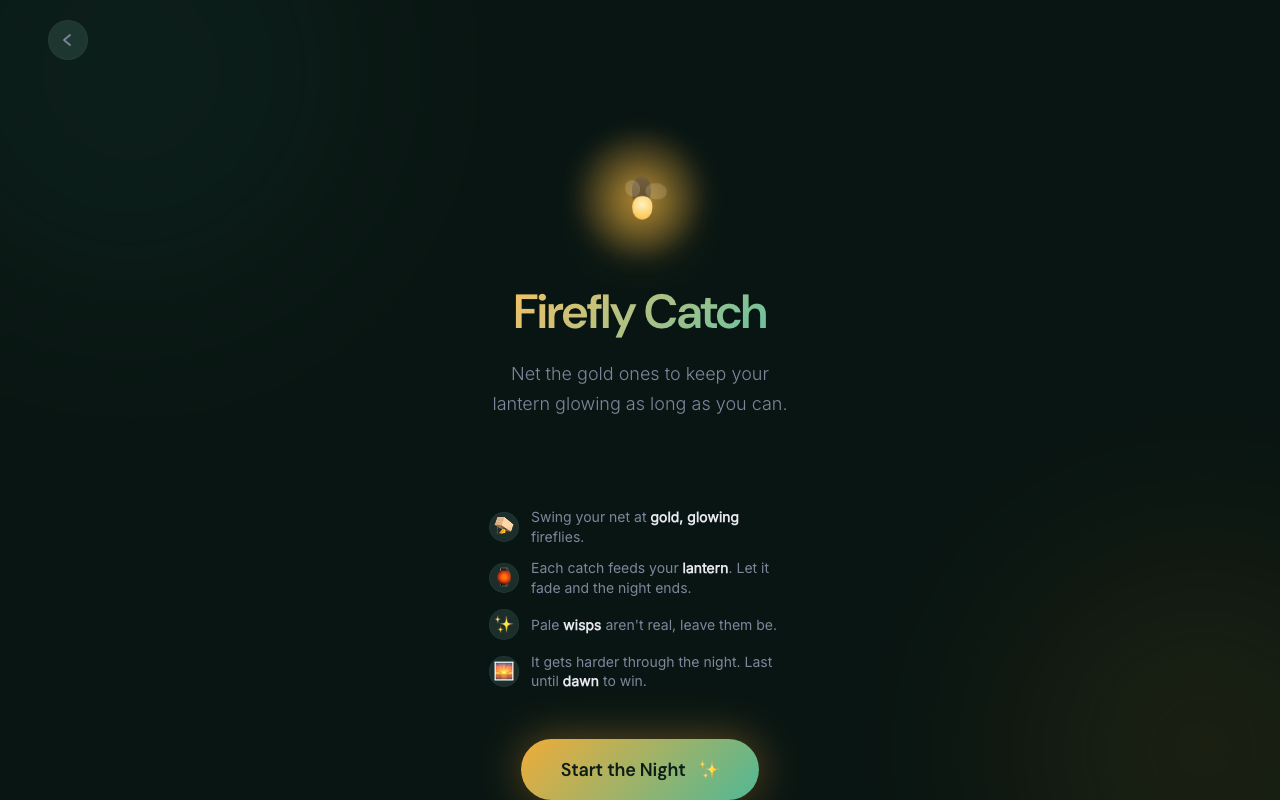
Because it opens in a browser tab and each game ends quickly, it is easy to reach for instead of the feed, exactly what the sensible version of a dopamine reset is about.
Try Ponoki free
Ten calming games and a companion that grows when you show up. No download, no ads, free to play.
Open Ponoki, it is freeFrequently asked questions
Does a dopamine detox actually work?
Not as usually described. You cannot detox or reset dopamine by avoiding pleasure for a day. What helps is reducing frantic, high-stimulation loops and adding slower, more satisfying rewards.
What is a better alternative to a dopamine detox?
Rebalance rather than deprive: mute notifications and autoplay, and make slower rewards (walks, hobbies, calm games, reading) easy to reach for when you feel the pull to scroll.
Is dopamine bad for you?
No. Dopamine is essential for motivation, learning, and movement. The issue is not dopamine itself but the frantic, low-effort loops that can crowd out slower, healthier rewards.